

Content:
- 1 What Is a Virtual Kitchen Concept, and How Does It Profit?
- 2 Why Third-Party Delivery Revenue Is Too Big to Ignore
- 3 The Real Problem: The Cost of Third-Party Delivery Commissions
- 4 How Bakery by Perkins Turns That Cost Into Profit
- 5 How a Franchise Owner Actually Launches a Virtual Brand
- 6 Where Virtual Kitchens Fit in the Bigger Picture
- 7 Delivery Revenue Without the Delivery Drag
- 8 Frequently Asked Questions
What Is a Virtual Kitchen Concept, and How Does It Profit?
A virtual kitchen concept, also called a virtual brand, is a delivery-only menu made inside a restaurant's existing kitchen. It may function under a separate name through delivery apps, so an owner earns extra third-party delivery revenue without a second building or crew. For an operator, restaurant franchise delivery becomes a new income line instead of a cost center.
A ghost kitchen is a close cousin. It is a food-prep space that exists only to fill delivery orders, with no dining room at all. Third-party delivery means the order arrives through an app like DoorDash, Grubhub, and Uber Eats, which handles pickup and drop-off.
This article explains the virtual kitchen concept through one real example: Bakery by Perkins, our mobile-only bakery brand. It shows how a franchise owner can turn delivery into added profit.
The difference from a standalone startup is simple. Here the kitchen is already open and staffed, and it already belongs to you.
Why Third-Party Delivery Revenue Is Too Big to Ignore
Delivery and takeout now drive most of the restaurant business in this country. Nearly 75% of off-premises restaurant traffic happens away from the dining room, according to the National Restaurant Association (2025).
The habit repeats week after week. The frequency of takeout orders is also an important figure to note. About 37% of adults order delivery at least once a week, per the National Restaurant Association's weekly delivery demand research (2025).
That is a lot of steady demand for restaurant franchise delivery. A kitchen that does not sell through the apps leaves that money on the table. A second, delivery-only brand is a practical way to catch it, which is exactly a virtual kitchen concept’s purpose.
The Real Problem: The Cost of Third-Party Delivery Commissions
Here is why delivery can feel like it never pays. Delivery apps charge a commission on every order they carry. Perkins' own Franchise Disclosure Document puts those aggregator commissions at 20% to 35% of the order price.
The exact rate depends on the plan you choose. DoorDash's Basic, Plus, and Premier plans charge 15%, 25%, and 30%, according to third-party delivery commission tiers data from Food On Demand (2026). All-in costs can run higher once you add packaging costs and other fees.
That top tier is where the well-known "30% rule" comes from. Delivery can claim close to a third of an order. So the real question is how you keep delivery from eating your margin, which is what the rest of this article answers.
How Bakery by Perkins Turns That Cost Into Profit
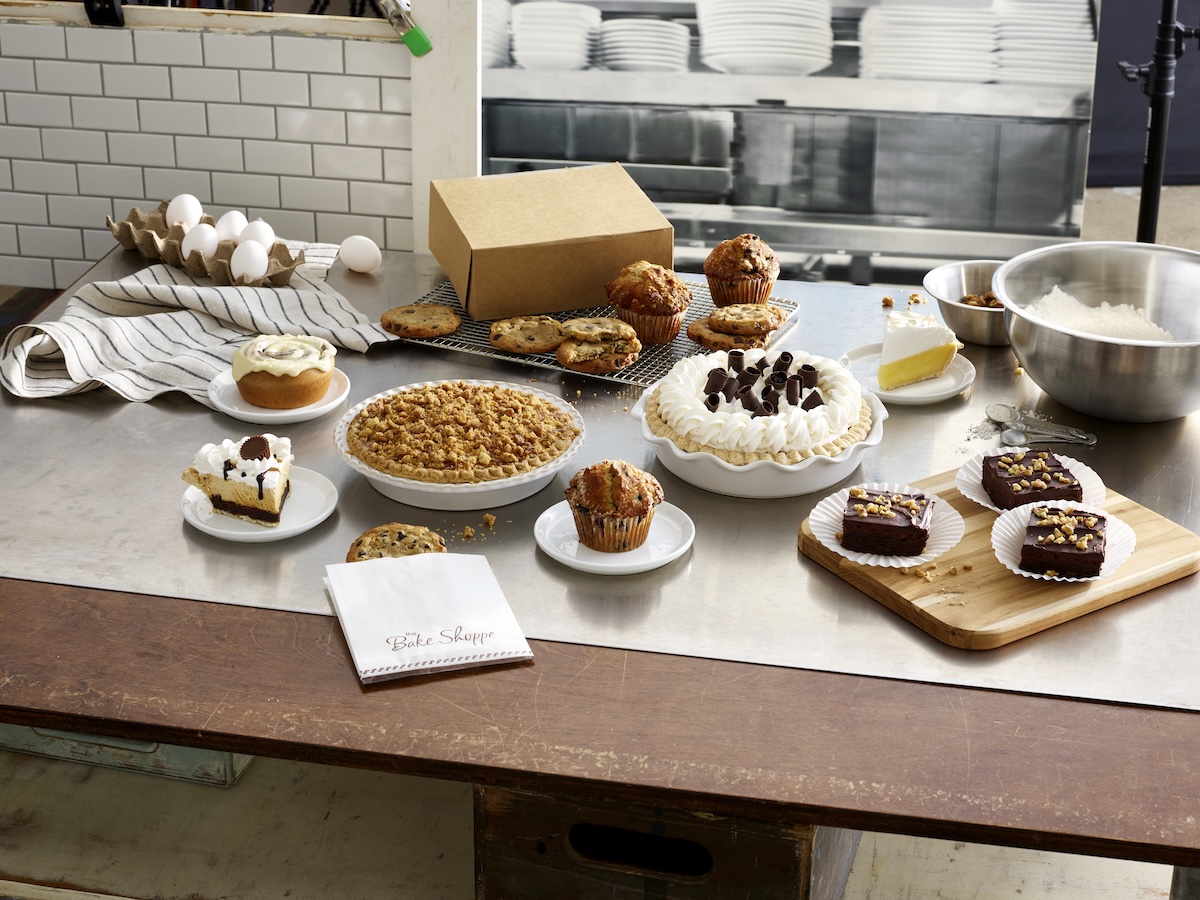
Bakery by Perkins is our mobile-only virtual concept. It sells bakery items only through delivery apps, made in a Perkins kitchen that is already staffed and running each day.
The model can help restaurant operators offset commission cost in two ways. It uses capacity you already pay for, and it carries a lighter ongoing fee structure. Here is how each piece works.
It Runs on a Kitchen You Already Pay For (Labor-Neutral Revenue)
The oven, the counter space, and the crew are already in place for your dine-in restaurant. Bakery delivery orders use that spare capacity instead of adding a new building or new payroll.
Labor is where this matters most. For full-service restaurants, salaries, wages, and benefits were a median of 36.5% of sales in 2024, per restaurant labor costs analysis from the National Restaurant Association.
Adding revenue without adding staff is the goal the model supports. It works best when bakery orders ride on a crew you already fund, so more of each dollar reaches the bottom line. You can see how that fits the wider view of restaurant franchise profit margins.
A Fee Structure Built to Offset Commissions
The fee side is built to help too. The virtual product offering carries a reduced royalty of 4.0% of net sales, and it asks for no advertising-fund contribution.
Compare that to standard Perkins sales, which carry a 4.75% royalty plus a 3% advertising-fund contribution. The bakery option adds only a small online-ordering service fee, about $30 a month.
That lighter cost is how business models attempt to keep third-party delivery revenue profitable after the aggregator takes its commission. Lower ongoing fees give each order more room to clear a profit, even at the higher commission tiers.
If you are interested in learning more about Perkins or Perkins Griddle and Go fee structures as well as our robust incentives, please schedule a conversation with our development team today.
One Kitchen, Multiple Revenue Streams
Bakery by Perkins is one more way a single footprint earns. It sits alongside dine-in service, the fresh in-house bakery, catering, and our fast-casual Griddle & Go concept.
In 2024, 123 Perkins restaurants ran one or more virtual product offerings, the same count as 2023. Stacked revenue streams are a big part of why food franchises attract investors, because they steady cash flow across four dayparts.
For owners drawn to the baking side, our bakery franchise opportunities show how fresh-baked demand can become its own line of sales. One kitchen, worked harder, earns more from the day.
How a Franchise Owner Actually Launches a Virtual Brand
Getting started is straightforward. The concept plugs into the delivery aggregators (Grubhub, DoorDash, and Uber Eats) through the online-ordering system your restaurant already uses.
Orders route to the same kitchen, your team packages them, and the aggregator handles pickup and drop-off. The food is never served in your dining room. Owners follow set recipes, packaging, and pricing standards so every order looks and tastes like Perkins.
You are not figuring this out alone. We test programs at our own company-owned restaurants first, then roll them out to franchisees with hands-on help. Our Perkins franchise support system backs you through setup and daily operations.
Where Virtual Kitchens Fit in the Bigger Picture
Virtual kitchens have grown into an established, expanding part of the restaurant industry. By one estimate, the U.S. ghost kitchen market, valued at $2.88 billion in 2024, could reach $3.87 billion by 2030 (TechSci Research, 2025).
A bakery-led virtual brand rides real, lasting demand for fresh baked goods, which you can explore in our look at bakery industry trends. It puts our daily baking to work for delivery guests too.
Same soul, new attitude: the virtual kitchen concept is modern operations thinking applied to a kitchen with 60-plus years of pie-making behind it.
Delivery Revenue Without the Delivery Drag
Bakery by Perkins turns two things you can count on, an already-running kitchen and steady delivery demand, into an added revenue stream. Its lighter fee structure, a reduced royalty with no advertising-fund contribution, can help keep that revenue stream profitable after commissions.
That is delivery revenue that works with your margin rather than against it. If you want a proven model with room to stack revenue streams, explore the Perkins franchise opportunity. See where your kitchen could go next.
Frequently Asked Questions
Are virtual kitchens profitable?
They can often be if they are run from a kitchen that a person or business already pays for and carries a fee structure that offsets delivery commissions. That is exactly what Bakery by Perkins is designed to do.
What is the "30% rule" in restaurants and delivery?
It is a rule of thumb that third-party delivery commissions can reach about 30% of an order's price. That figure lines up with the top-tier plans many apps offer.
How does third-party delivery affect restaurant margins?
Every commission cuts into the money you keep on each order. Spare kitchen capacity and a lower fee structure can help to keep those orders profitable.
Do I need a separate building to run a virtual brand with Perkins?
No, Bakery by Perkins runs entirely from your existing Perkins kitchen, with no second location required. This helps keep real estate costs down.
If you are interested in learning more about an opportunity with Perkins, please schedule a conversation with our development team today.